 English


About Us
We travel to find cure for our illnesses as human beings are equipped with a strong drive for survival and unflinching sense of hope. We look for cure and remedy because life is sacred and should be preserved.
Maya Cure is a healthcare consulting and medical tourism agency that guides all world citizens to have access to best physicians and most appropriate treatment.
It was established in 2020 by health professionals. It is affiliated with 100. Yıl Healthcare Group, a healthcare corporation that has been in business for 25 years, and it has been authorized by the group for international patient services. It officially represents hundreds of physicians.
Anatolia has been home to numerous cultures throughout history. It has served as a hub of science and health. Having roots going back to 10,000 years ago, Anatolian medicine continued to improve until the Ottoman era.
Hittites acquired their knowledge on medicine from Mesopotamians and indigenous people of Anatolia, and benefited from the rich plant diversity in Anatolia. In that period of civilization, the duty of a physician was considered as a profession.
The most important physicians of ancient western Anatolia for the history of medicine are undoubtedly Hippocrates and Galen. Trained by his father who was also a physician, Hippocrates (460-370 BC) first worked in northern provinces of Anatolia before returning to Cos to continue working as a physician.
The first hospitals, asclepieia, as the most important structures of Anatolian medicine, also known as ancient temple medicine, were first built in Bergama (Pergamon), Efes (Ephesus), Yumurtalık (Aegeae), İzmit (Nicomedia), İznik (Nicaea) and Ereğli (Heraclea Pontica). Later, the Seljuks and Ottomans established hospitals (dar al-shifa) in many cities.
Other structures that would cater to basic healthcare needs of society were hot springs, medicinal springs and spas that enjoyed popularity in Anatolia since antiquity.
Foreign travelers wrote that in late 16th century, there were 119 hospitals, each with a capacity of 150-300 patients, in Istanbul and public physicians called "assigned physicians" worked at these hospitals.
Many famous physicians like Hippocrates of Cos (460-370 BC), Galen of Pergamon (131-200), Caius Calpurnius Asclepiades of Prusa (1st century AD), Rufus of Ephesus (1st century AD), Pedanius Dioscorides of Anazarbus (1st century AD), Soranus of Ephesus (2nd century AD), Aretaeus of Cappadocia (4th century AD), Hacı Paşa, Mahmud Şirvani (1375-1450), Şerafeddin Sabuncuoğlu (1385-1465), Şemseddini İtaki, Akşemseddin, Molla Gürani, and Mustafa Behçet Efendi (1774-1834) lived in Anatolia. The Ottoman healthcare system featured supervision mechanisms. Establishment of a medical school (Tıphane-i Amire) for educating physicians and surgeons for the Turkish army on March 14, 1827 is considered as an important milestone for our country as it represents the beginning of modern medical education and institutionalization of modern medical practices. Today, Turkey has a 200-year tradition of modern medical education going back to the establishment of the first medical faculty offering Western medical education, and the country has currently numerous healthcare facilities providing services with modern standards on par with countries with high level of healthcare services.
Qualified physicians auxiliary health staff are at your service. The standards by which complementary services are provided are also considerably high.
Since antiquity, people have traveled to Anatolia to recover their health. Hierapolis, currently Pamukkale in southwestern Turkey's Denizli province, was a frequent destination for those who would come from far and wide to seek remedy for their ills. As a land with a sunny climate, clean air and a history of golden ages of science, Turkey is today capable of offering virtually all types of medical treatments and surgical operations at international standards.
In addition, healthcare services available in Turkey are 40-60% cheaper and more successful compared to western countries. The number of citizens of other countries choosing Turkey as their healthcare destination increases every day. In 2021, Turkey received some 5 million foreign citizens seeking medical treatment.
Today, every place around the world is accessible and every piece of news can be heard at any part of the world. This is our call for you: we invite you to receive medical treatment in Turkey, turning your medical journey into a touristic trip at the same time. Contact us if you want to be treated by Turkey's best physicians. We will guide you with affection and through sound principles. We will keep a close eye on you at all times.

Maya Cure




Our Doctors
Get to know our expert technical team and doctors closely.
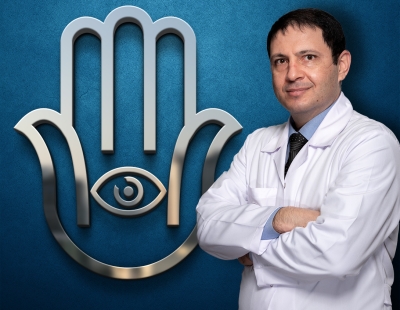
Metin Işık
Internal Medicine and Rheumatology
Assoc. Prof. Dr. Metin Işık is a specialist in internal medicine and rheumatology. He graduated…

Özlem Tuğçe Kalaycı
Radiology
Dr. Özlem Tuğçe Kalaycı is a radiologist. She graduated from Ankara University Faculty of Medicine…
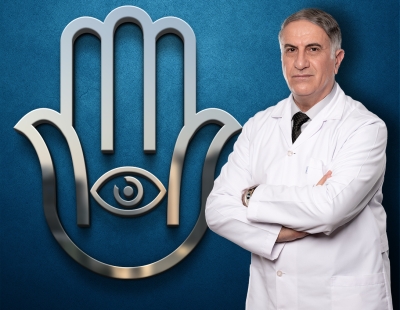
Aydın Ece
Pediatrics and Pediatric Rheumatology and Nephrology
Prof. Dr. Aydın Ece is a specialist in pediatrics and pediatric rheumatology and nephrology. He…
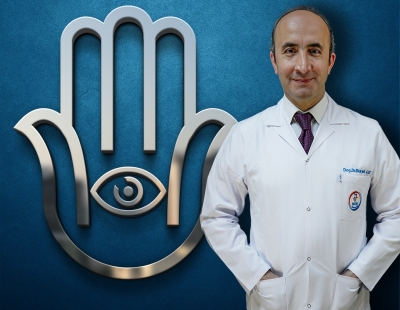
Burak Uz
Internal Medicine and Hematology
Assoc. Prof. Dr. Burak Uz is an internal medicine and hematology specialist. He graduated from…
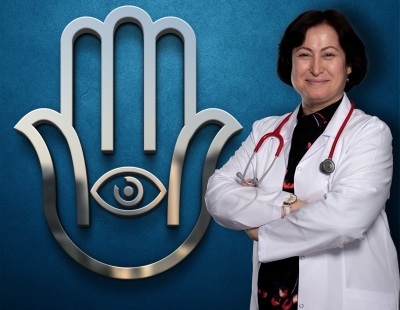
Fatma Demirel
Pediatrics and Pediatric Endocrinology
Prof. Dr. Fatma Demirel is a pediatrician and pediatric endocrinologist. She graduated from Ege University…
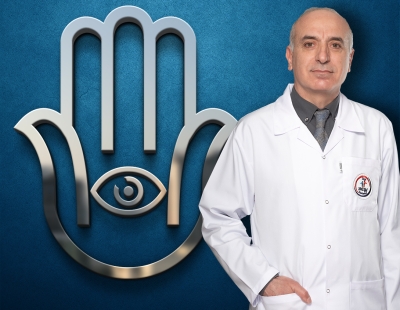
Fuat Tosun
Otorhinolaryngology and Head and Neck Surgeon
Prof. Dr. Fuat Tosun is an otorhinolaryngologist and head and neck surgeon. He graduated from…

Hüseyin Tuğrul Çelik
Medical Biochemistry
Dr. Hüseyin Tuğrul Çelik is a medical biochemistry expert. He graduated from Celal Bayar University…

Hilmi Cevdet Altınyazar
Dermatology
Prof. Dr. Hilmi Cevdet Altınyazar is a dermatologist. He graduated from Hacettepe University Faculty of…

Emin Maden
Adult Chest Diseases and Allergic Diseases
Assoc. Prof. Dr. Emin Maden is a specialist in adult chest diseases and allergic diseases.…
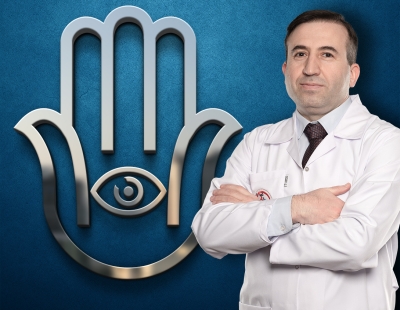
Yusuf Yeşil
Internal Medicine and Geriatrics
Assoc. Prof. Dr. Yusuf Yeşil is a specialist in internal medicine and geriatrics. He graduated…

Nail Ersöz
General Surgery
Assoc. Prof. Dr. Nail Ersöz is a general surgeon. He graduated from Gülhane Military Medical…
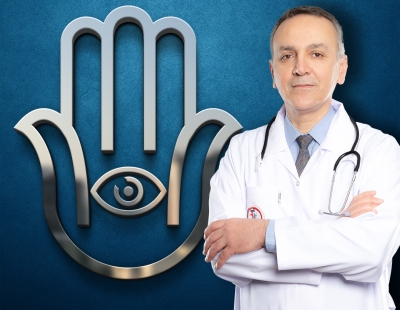
Ümit Hıdır Ulaş
Neurology and Clinical Neurophysiology
Prof. Dr. Ümit Hıdır Ulaş is a neurology and clinical neurophysiology specialist. He graduated from…
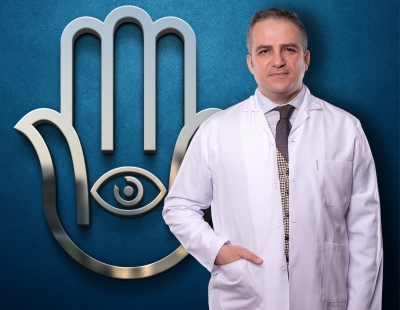
Ferhat Çatal
Pediatrics and Pediatric Allergy-Immunology
Prof. Dr. Ferhat Çatal is a pediatrics and pediatric allergy-immunology specialist. He graduated from Selcuk…
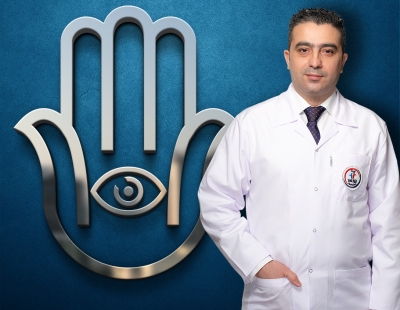
Fatih Arslan
Otorhinolaryngology
Dr. Fatih Arslan is an ear nose and throat specialist. He graduated from Istanbul University…

Bahadır Seyhan
Orthopedics and Traumatology
Dr. Bahadır Seyhan is an orthopedic and traumatology specialist. He graduated from Gülhane Military Medical…

Erden Kılıç
Orthopedics and Traumatology
Assoc. Prof. Dr. Erden Kılıç is an orthopedic and traumatology specialist. He graduated from Marmara…
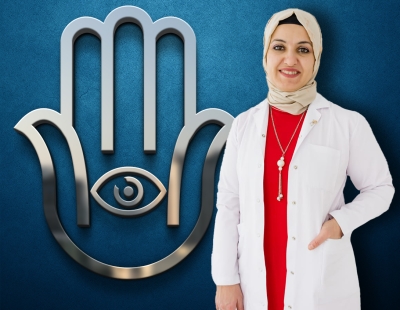
Hatice Işık
Gynecology and Obstetrics
Dr. Hatice Işık is a gynecologist and obstetrician. She graduated from Hacettepe University Faculty of…

Mehmet Kayrak
Cardiology
Assoc. Prof. Dr. Mehmet Kayrak is a cardiologist. He graduated from Ege University Faculty of…
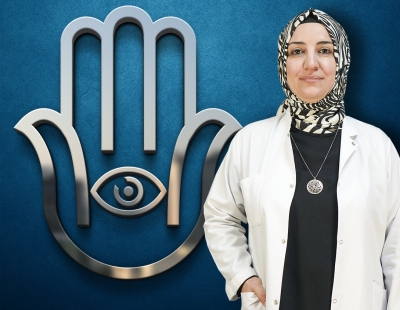
H. Sema Atalay Çatal
Physical Therapy and Rehabilitation
Dr. H. Sema Atalay Çatal is a physical therapy and rehabilitation specialist. She graduated from…

Seyfettin Köklü
Internal Medicine and Gastroenterology
Prof. Dr. Seyfettin Köklü is a specialist in internal medicine and gastroenterology. He graduated from…
 Arabic